01
Protect
Tarps over plants, the driveway and siding.
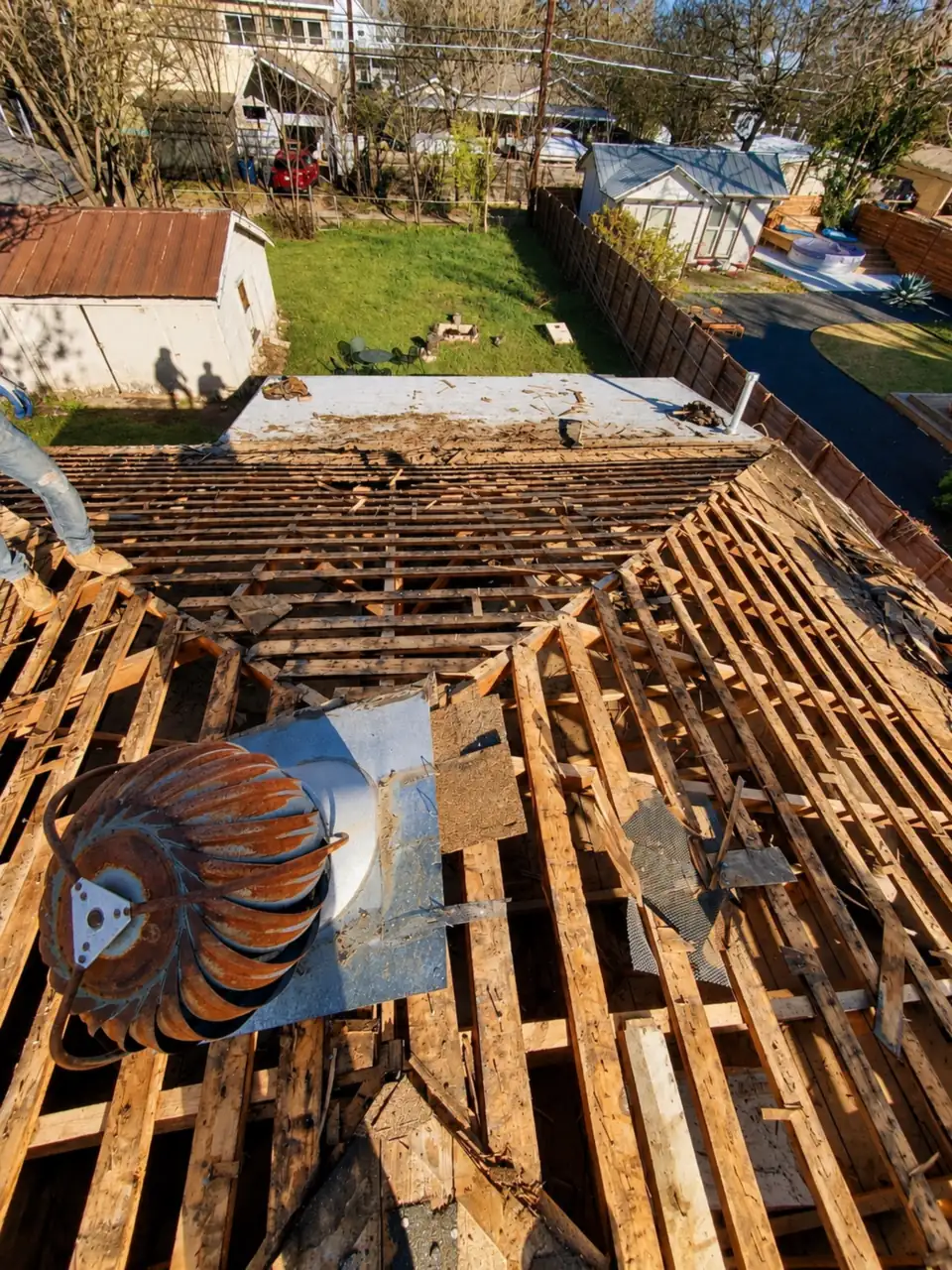
When repairs stop keeping up, we replace the roof from the deck up, check every sheet of decking on the way and leave the yard cleaner than we found it.
There comes a point where another patch costs more than it saves. Then we take the roof down to the bare deck, replace any sheathing that’s soft or rotted, and build it back with new underlayment, flashing, vents and roofing.
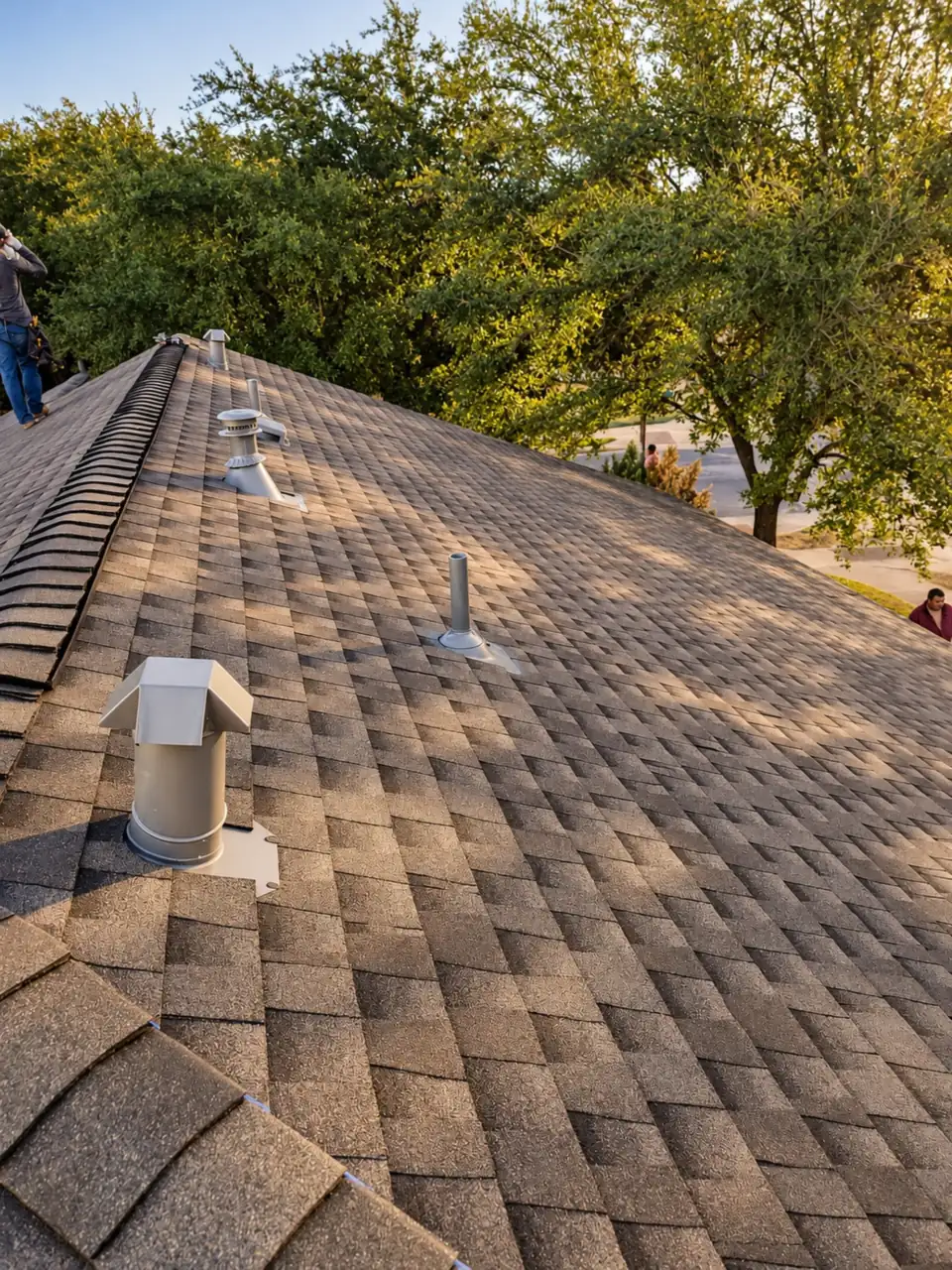
Seattle roofs hide their damage underneath. Years of moss and slow leaks soften plywood you can’t see from the ground, so every sheet gets checked once the old roofing is off.
You pick the style and color from samples at your house before anything is ordered. We schedule around the rain, open only what we can close the same day, and haul every nail and scrap away at the end.
New underlayment and flashing end the cycle of winter leaks and ceiling stains.
Buyers and inspectors look hard at the roof; a new one takes it off the list of worries.
Vents and intake set up properly, so the attic stays drier through the damp months.
No more patching one leak after another every rainy season.
Asphalt shingles often last 20–30 years here; cedar shake under heavy shade can give out sooner.
Lifted, creased or missing shingles across several slopes after a windstorm.
Repairs in one spot after another usually mean the whole roof is tired.
Gritty granules in the gutters mean shingles are losing their weather layer.
Spots that sag or flex underfoot point to wet, rotting decking.
Moss that’s back every year on worn shingles usually means water is already underneath.
Samples first, every sheet of decking checked, and the yard cleaned before we leave.
Most Seattle homes we re-roof are asphalt shingle, often replacing worn shingles or tired cedar shake.
For shops, offices and apartment buildings, see commercial roof replacement.
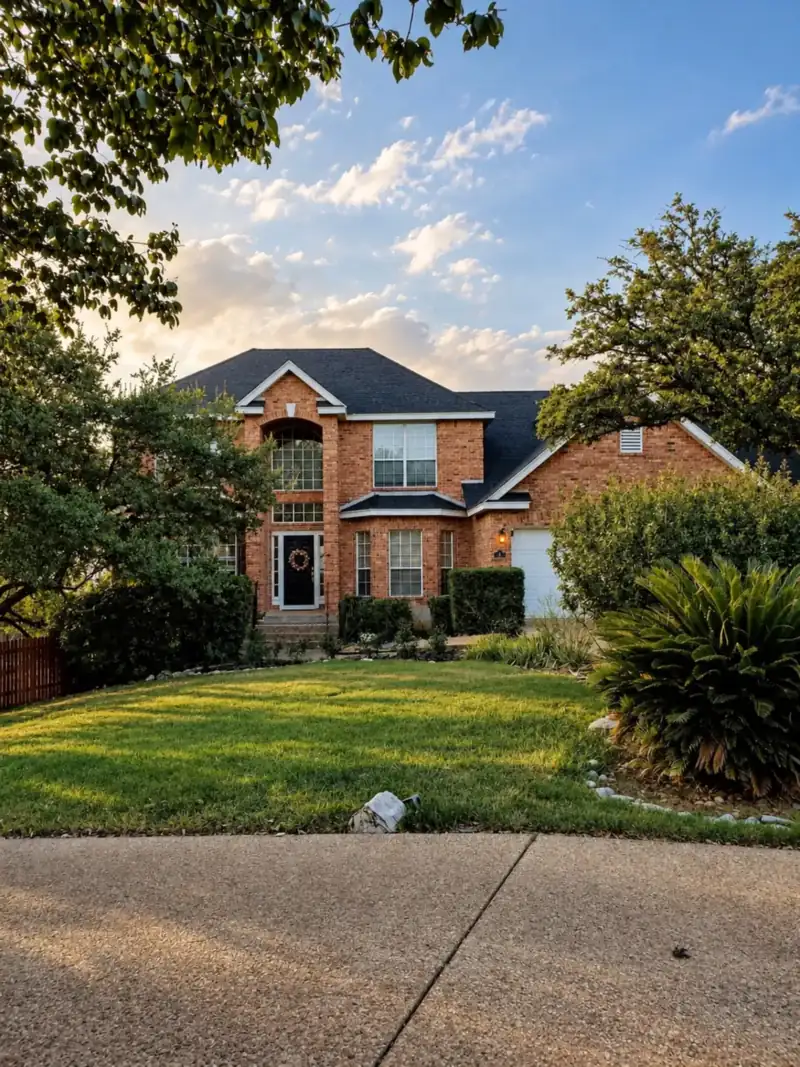
Price comes down to the roof’s size and pitch, the material, how many old layers come off, how much decking needs replacing and what the permit requires.
Windstorm or falling-tree damage may be partly covered by insurance. See how we handle insurance claims.
“The price was right, the quality is high, the job was done in a very efficient manner and samples were provided before deciding on the style and color.”
 Greg FriedmanRoof replacement · company
Straight answers to the questions we hear most. Don’t see yours? Give us a call.
(737) 307-1960The new roof cost comes down to the size and pitch of the roof, the material, how many layers come off and how much decking needs replacing. Try our roof cost calculator for a ballpark, then book a free inspection for a new roof estimate with an exact, itemized price.
Ask for photos of the damage, a written and itemized price, proof of license and insurance, and the warranty in writing. Good roof replacement contractors check the decking once the old roof is off and tell you before they replace any of it.
Yes, with planning. We watch the forecast, open only as much roof as we can close the same day and keep the house covered if rain moves in.
Yes. We bring samples to the house so you can hold them up against your siding and trim before you decide.
When a covered event like a windstorm or falling tree damaged the roof, insurance may pay for the work minus your deductible. Old age and wear usually aren’t covered. We document the damage and help with the claim. Learn more.
Wind storm or fallen tree? We document the damage and meet your adjuster.
Learn moreRoofs for new homes, ADUs and additions, detailed for months of rain.
Learn moreLeaks, wind-lifted shingles, moss damage and loose flashing, found at the source.
Learn moreWhich roof lasts longer in Pacific Northwest weather.
Learn moreWhether it’s a stubborn leak, storm damage and an insurance claim, or a brand-new roof, The Ranier Roof Doctor is here to help. Tell us about your project and we’ll call you back to schedule a free estimate.
Call (737) 307-1960“My insurance claim was by far the hardest I’ve come across, but Doug knew exactly how to handle it. He made my roof look gorgeous!”
