How wind damages roofs, what to check before storm season, how to deal with trees near the house and what to do after a windstorm.
Why windstorms matter here
Puget Sound gets strong windstorms most winters, usually between October and March. Big storms like the 1962 Columbus Day Storm and the 2006 Hanukkah Eve Storm are still remembered for downed trees and power outages across the region, but even ordinary winter storms can tear shingles off and bring branches down on roofs.
Most wind damage starts small: a loose shingle, an edge that was never sealed or a branch that has hung over the roof for years. A little preparation in early fall goes a long way.
How wind damages a roof
- Uplift: wind flowing over the roof pulls up on shingles, especially along edges, corners and ridges.
- Lifted and creased shingles: once a shingle lifts, it can bend back and crease, breaking its seal even if it falls back into place.
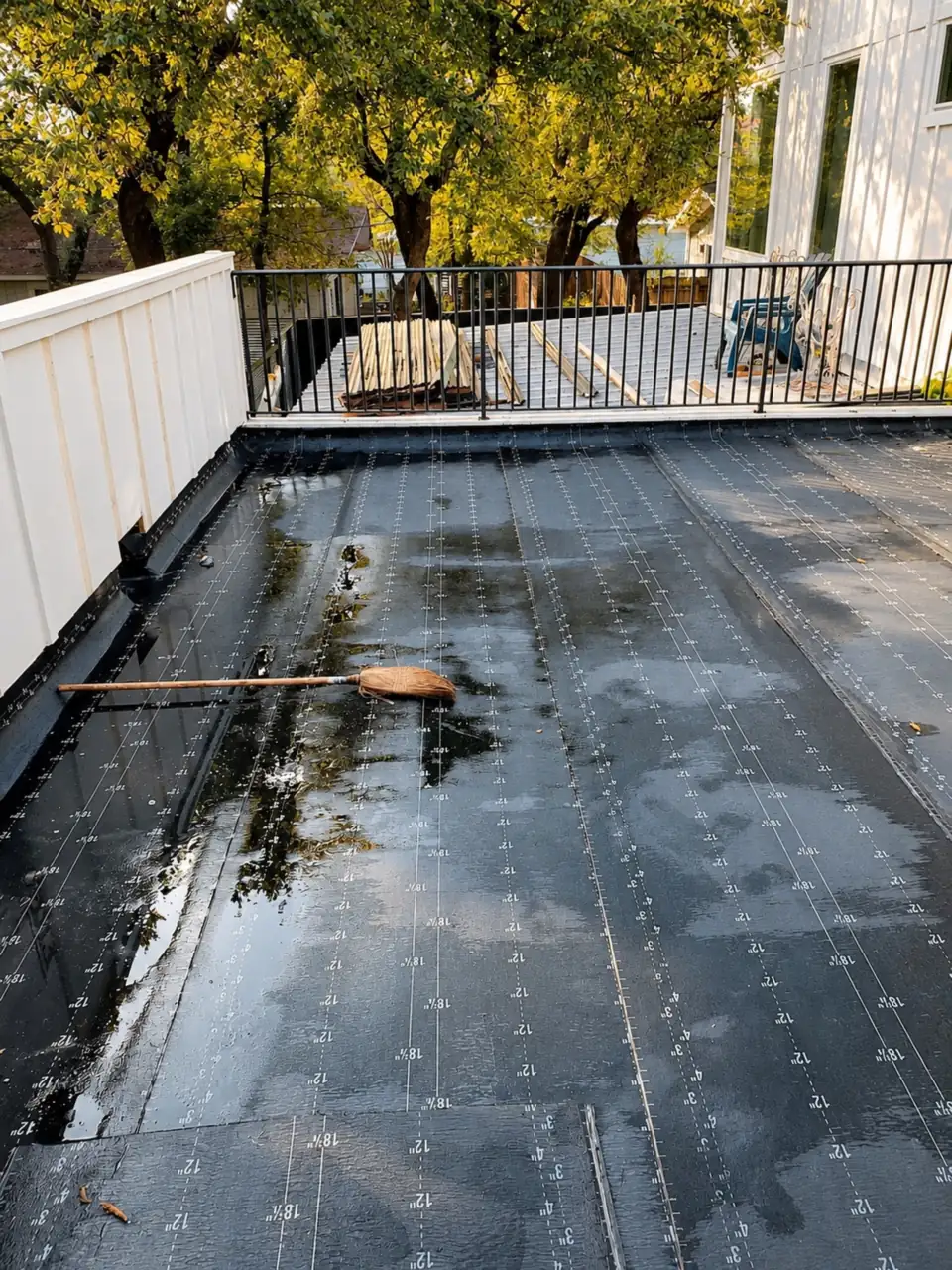
- Missing shingles and ridge caps: exposed underlayment won’t keep water out for long in the rain that usually comes with the wind.
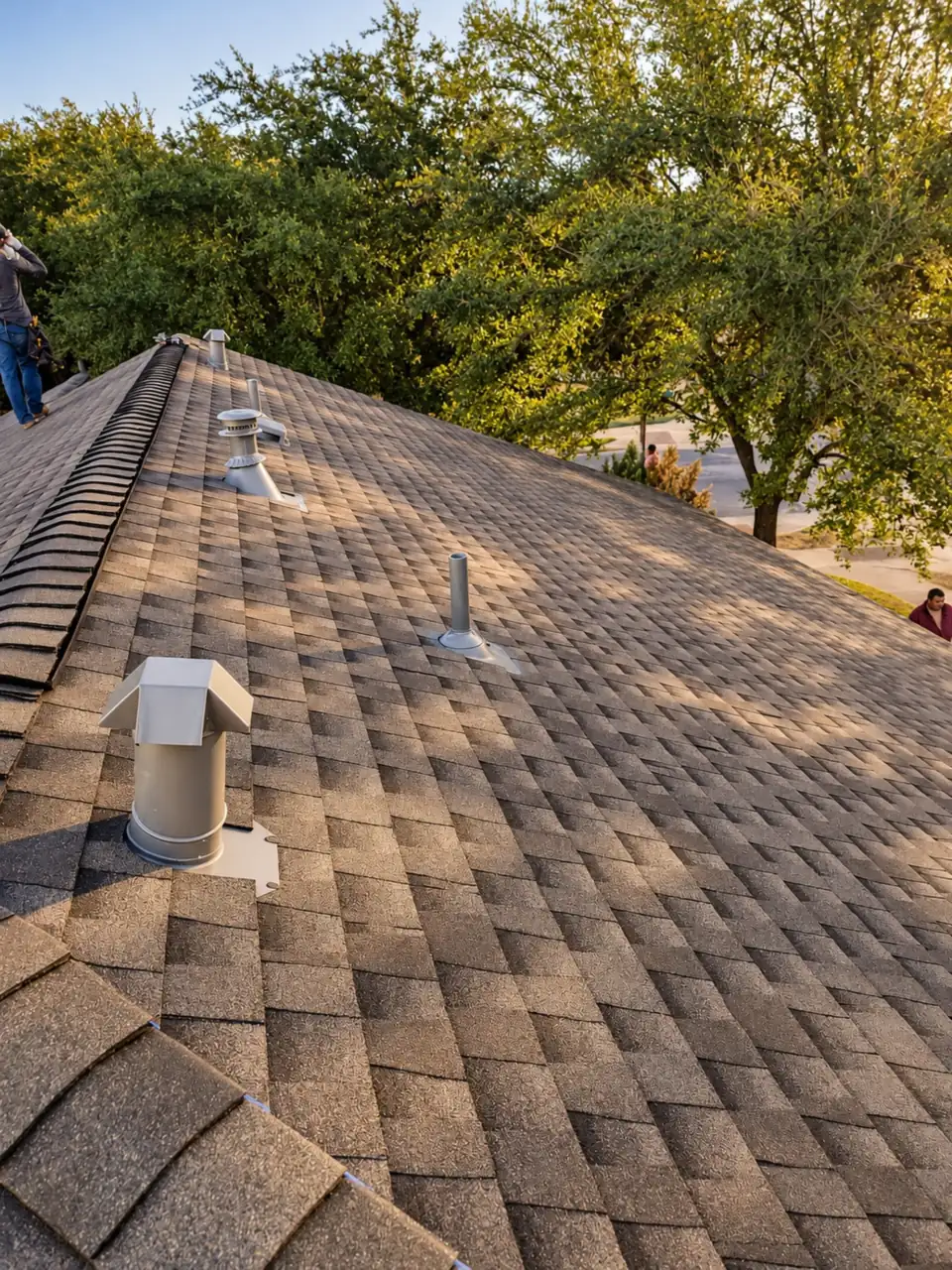
- Flashing and vents: loose metal and vent covers can be pulled up or bent.
- Trees and branches: falling limbs puncture roofs, crack rafters and tear gutters off.
Check the roof before storm season
- Look for missing, lifted or curled shingles, especially along the edges and ridge.
- Check that flashing around chimneys, skylights and walls is tight.
- Make sure gutters are firmly attached and clear so they don’t overflow or pull away.
- Look for loose vent covers, satellite dishes and other items attached to the roof.
- Book an inspection if the roof is older or you haven’t had it checked in a few years.
Small fixes, like resealing a loose shingle or tightening flashing, cost far less than repairing storm damage later.
Deal with the trees
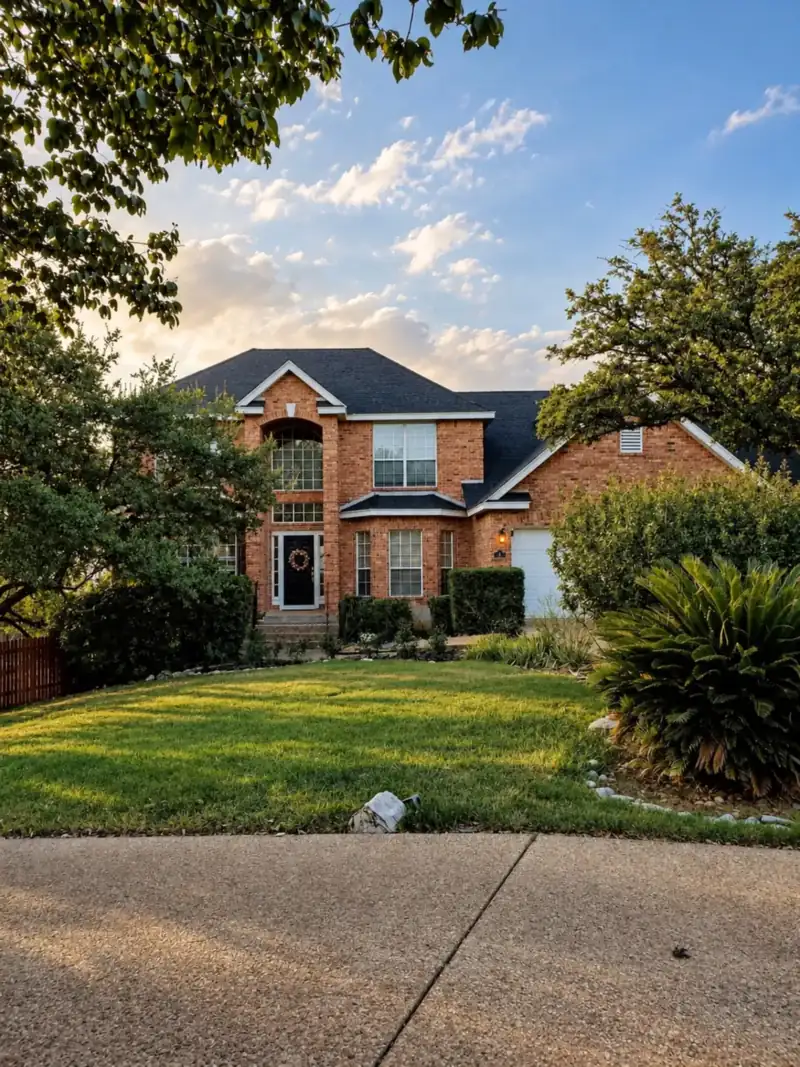
Tall firs, cedars and bigleaf maples are part of living in the Northwest, and they are also a leading cause of storm damage to roofs. Branches that hang over the roof can snap off in high wind, and trees with rot, cracks or leaning trunks can fall.
Trim branches back from the roof, and have a certified arborist look at any large tree that could reach the house if it fell. Your city may have rules about removing large trees, so check before cutting anything big down.
After a windstorm
- Stay away from downed power lines and report them to your utility.
- Check the roof from the ground for missing shingles, debris and damaged gutters. Don’t climb up.
- Look in the attic and on ceilings for new water stains.
- Take photos of any damage and note the date of the storm.
- Get a tarp on any open area quickly, then schedule a proper repair.
- If the damage is significant, contact your insurance company.
Wind damage is often covered by homeowners insurance. See does homeowners insurance cover wind and tree damage in Washington? and our storm damage and insurance claim help.
Get an honest answer
Before or after a storm, we will check your roof, take photos of anything loose or damaged and tell you what needs fixing now and what can wait.
Book a free roof inspection or call (737) 307-1960.